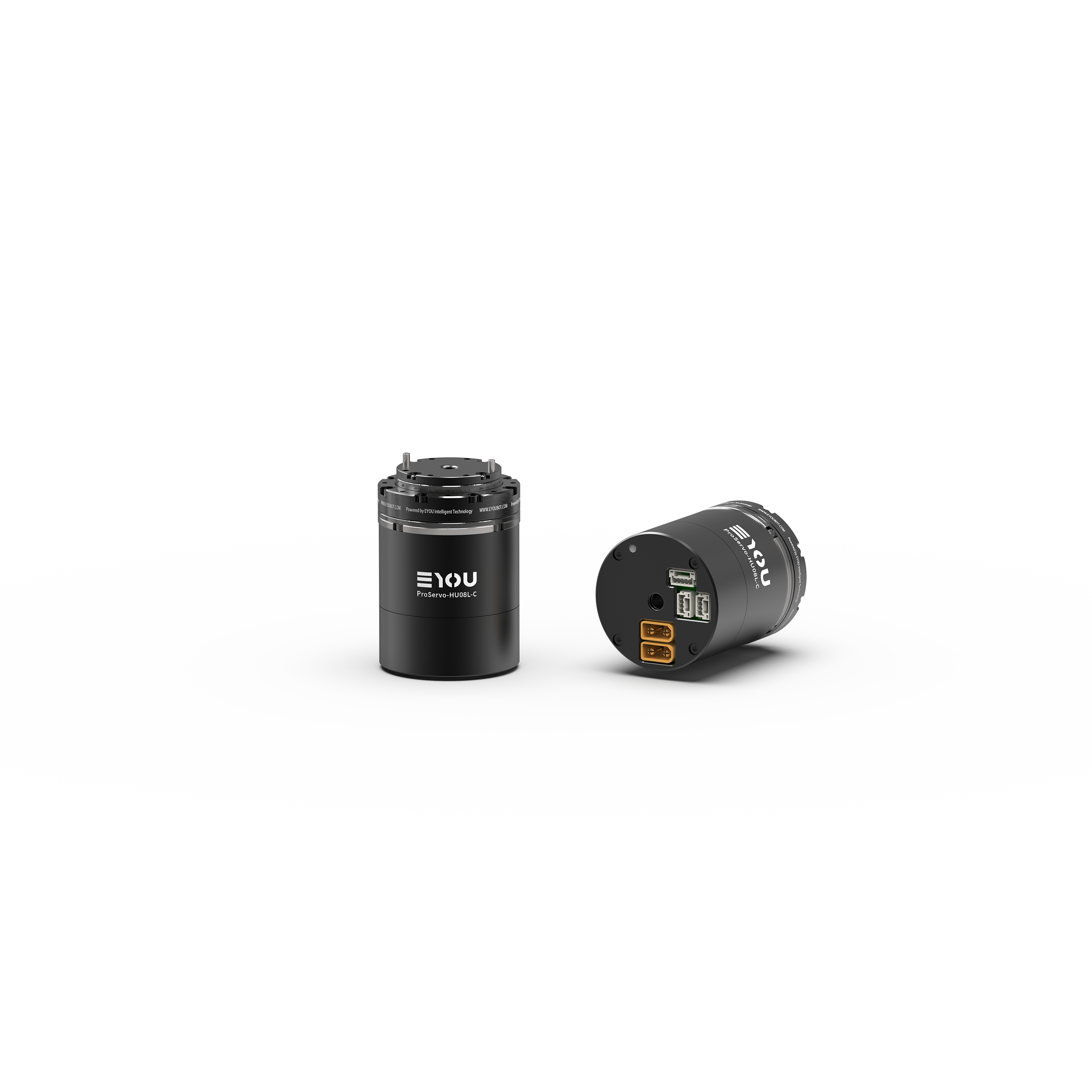
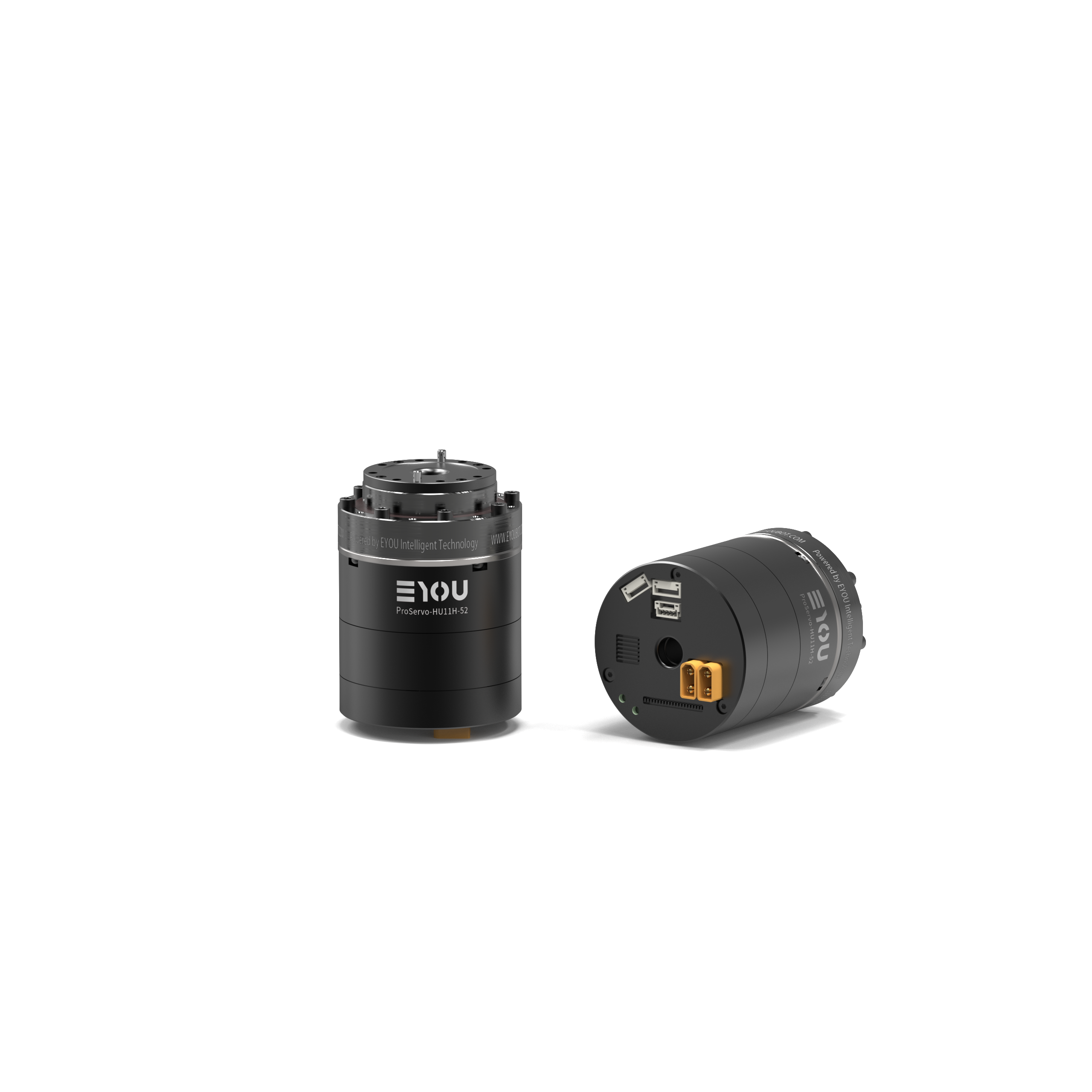
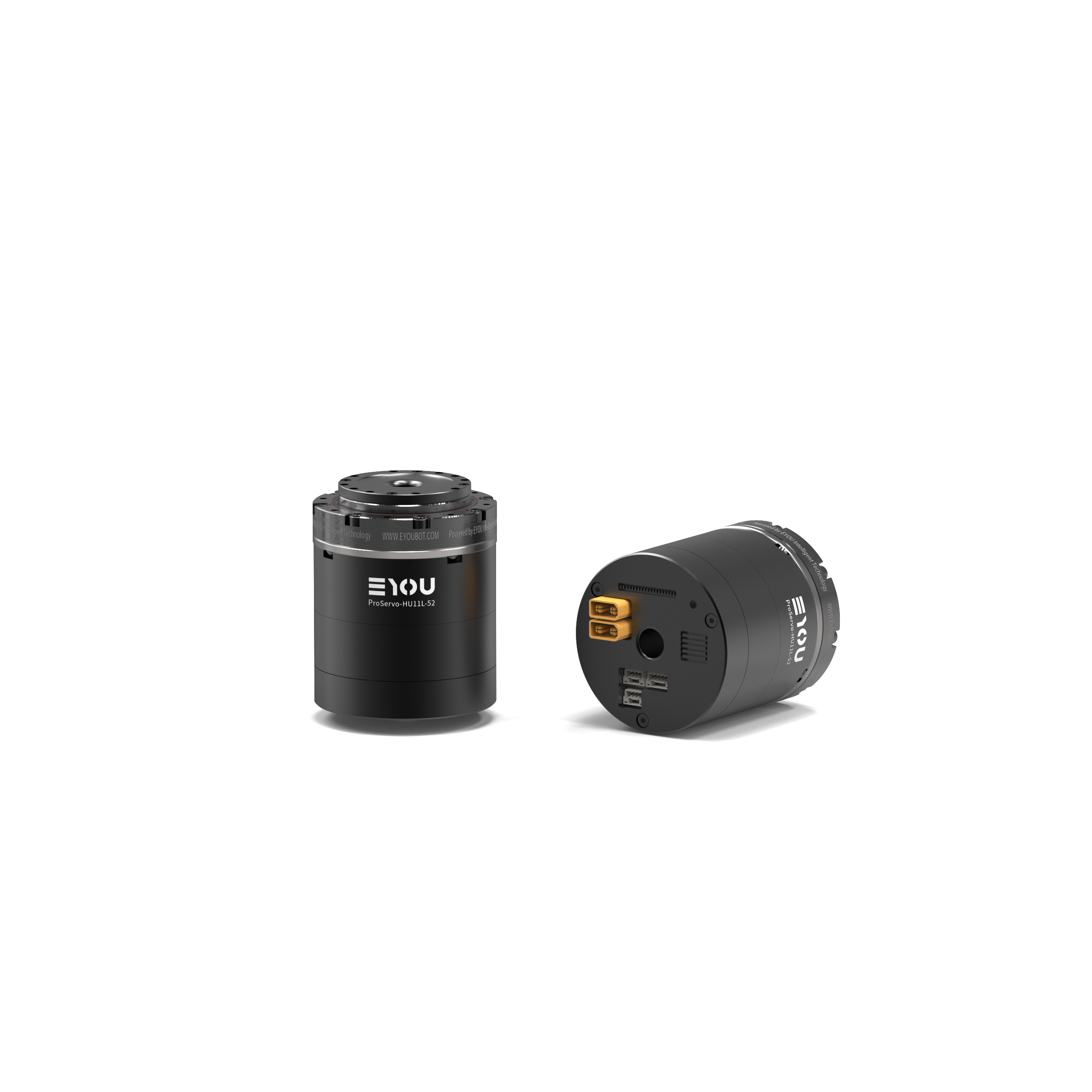
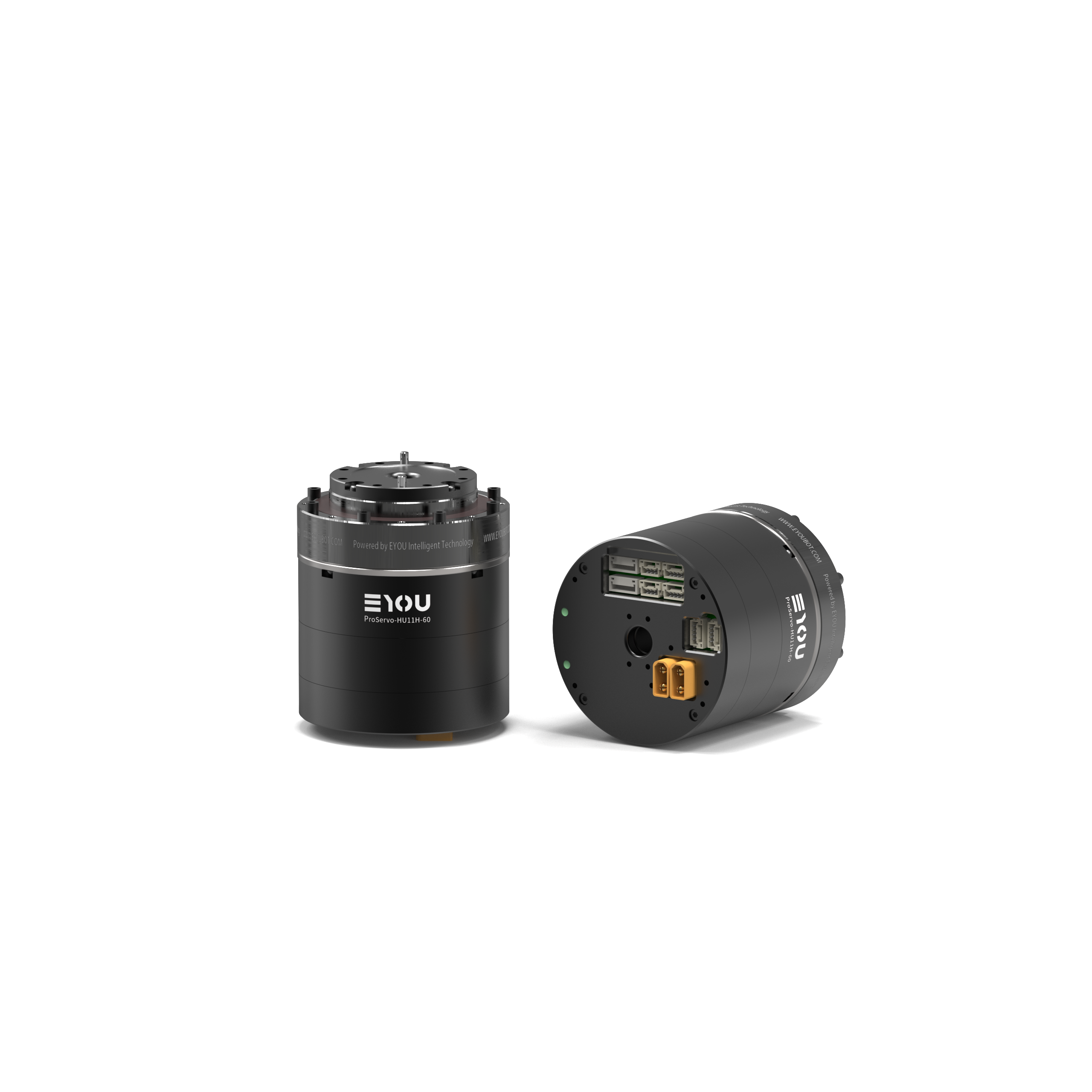
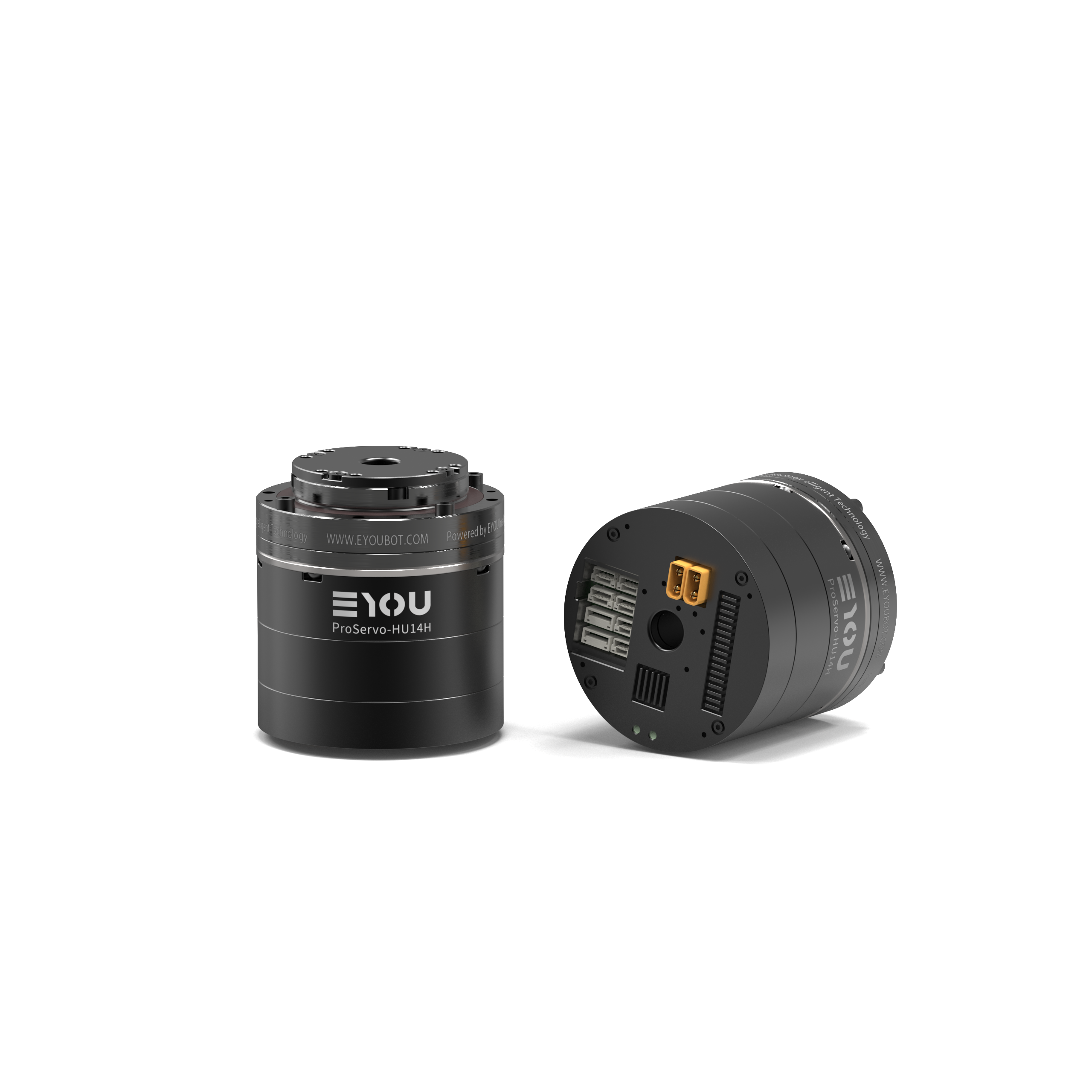
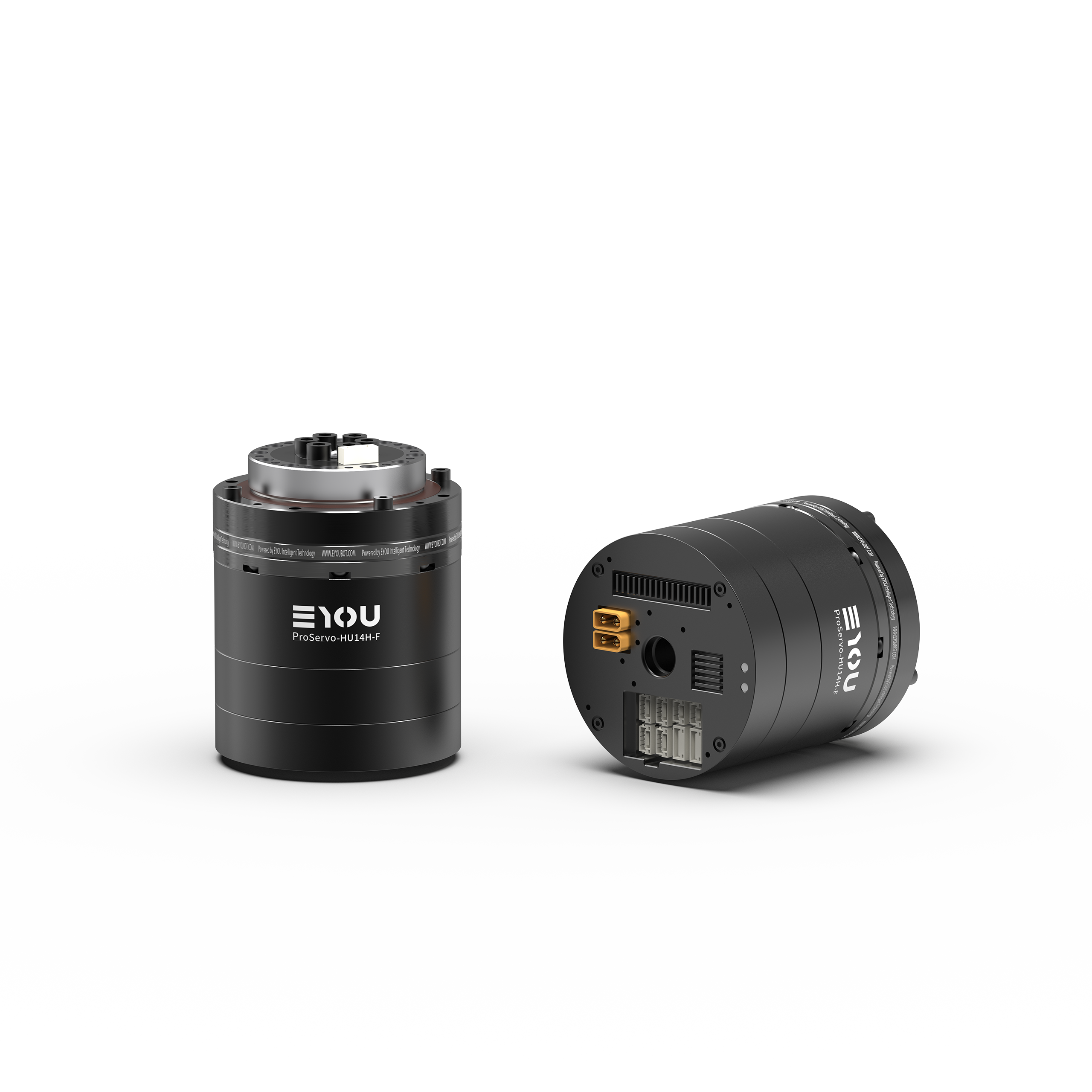
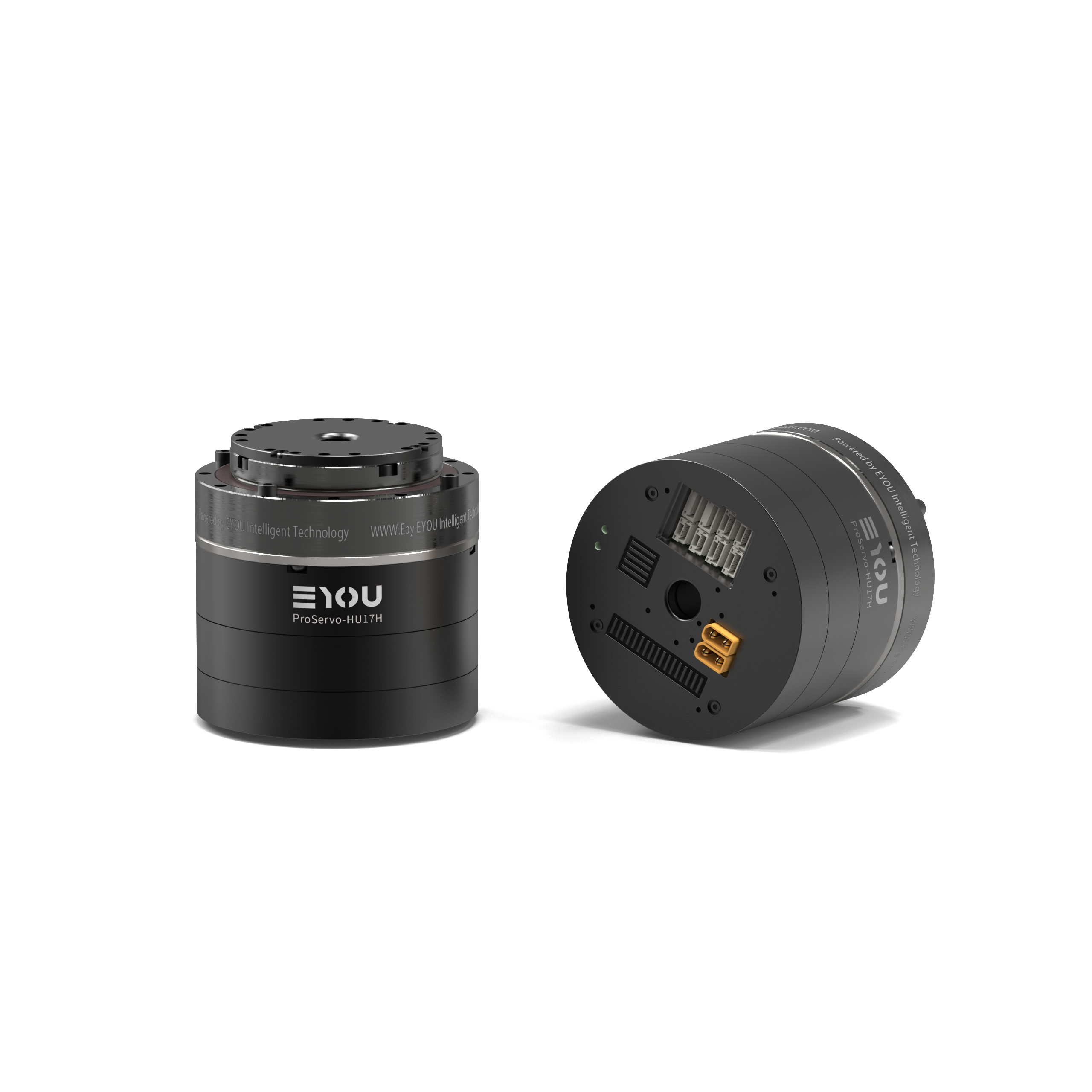
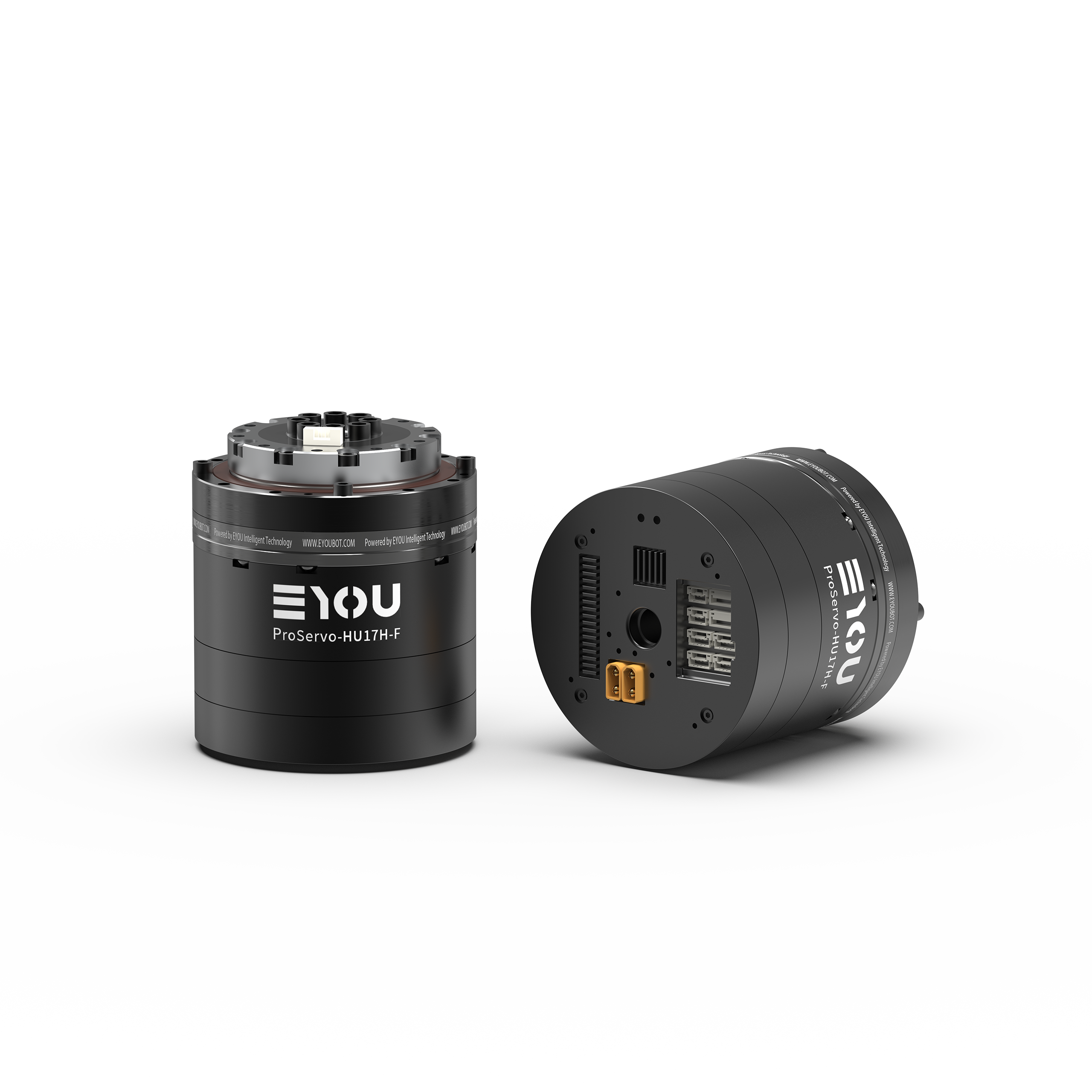
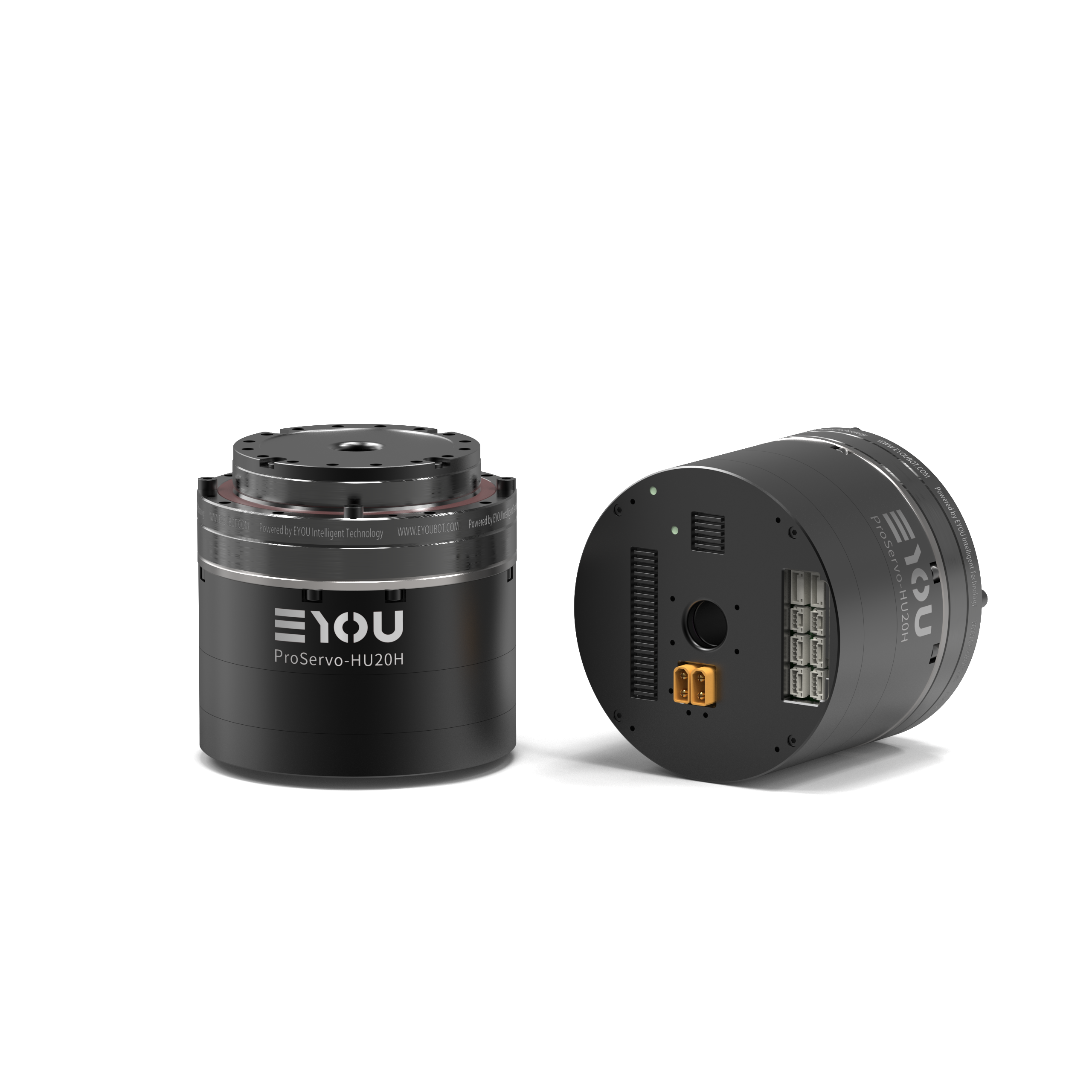
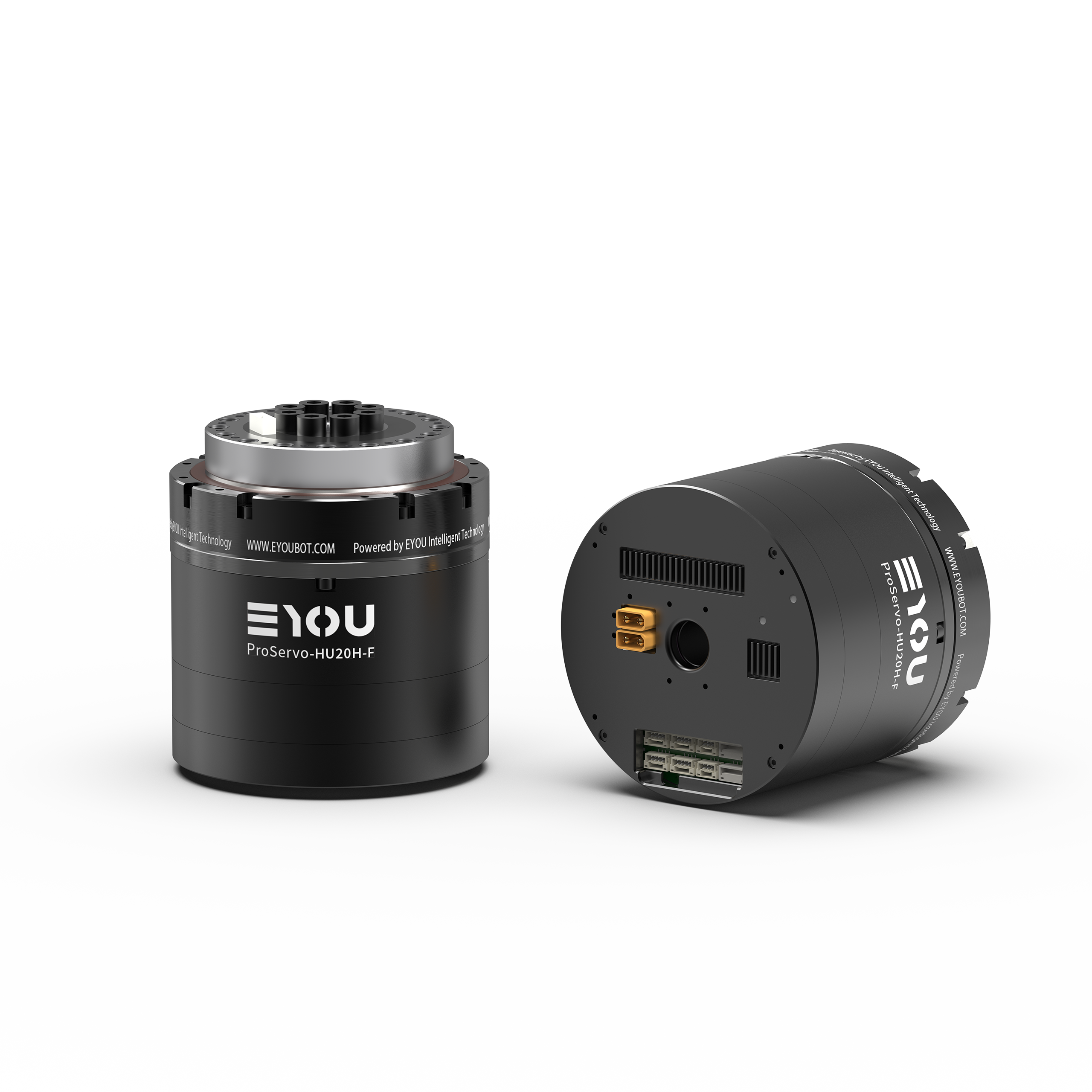
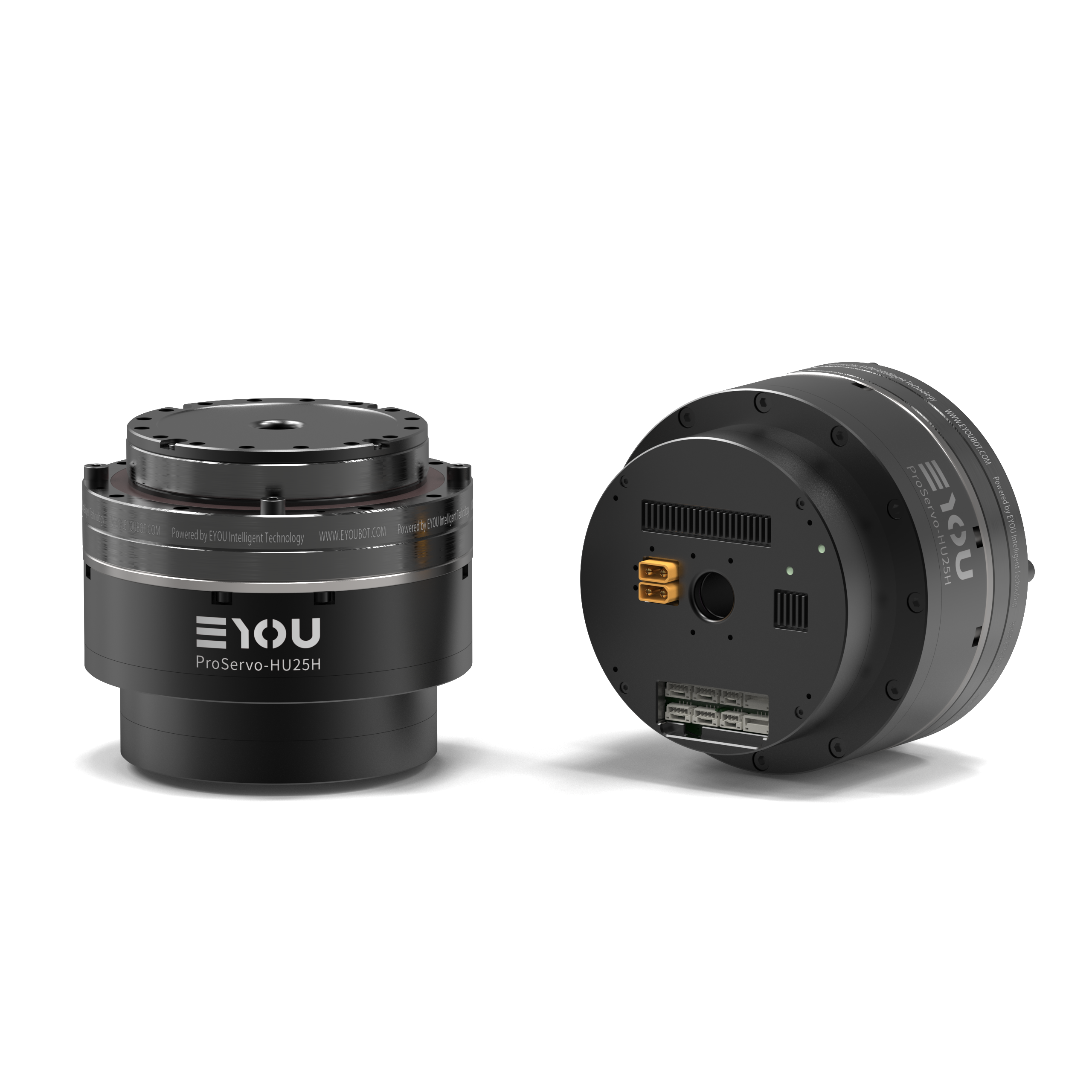
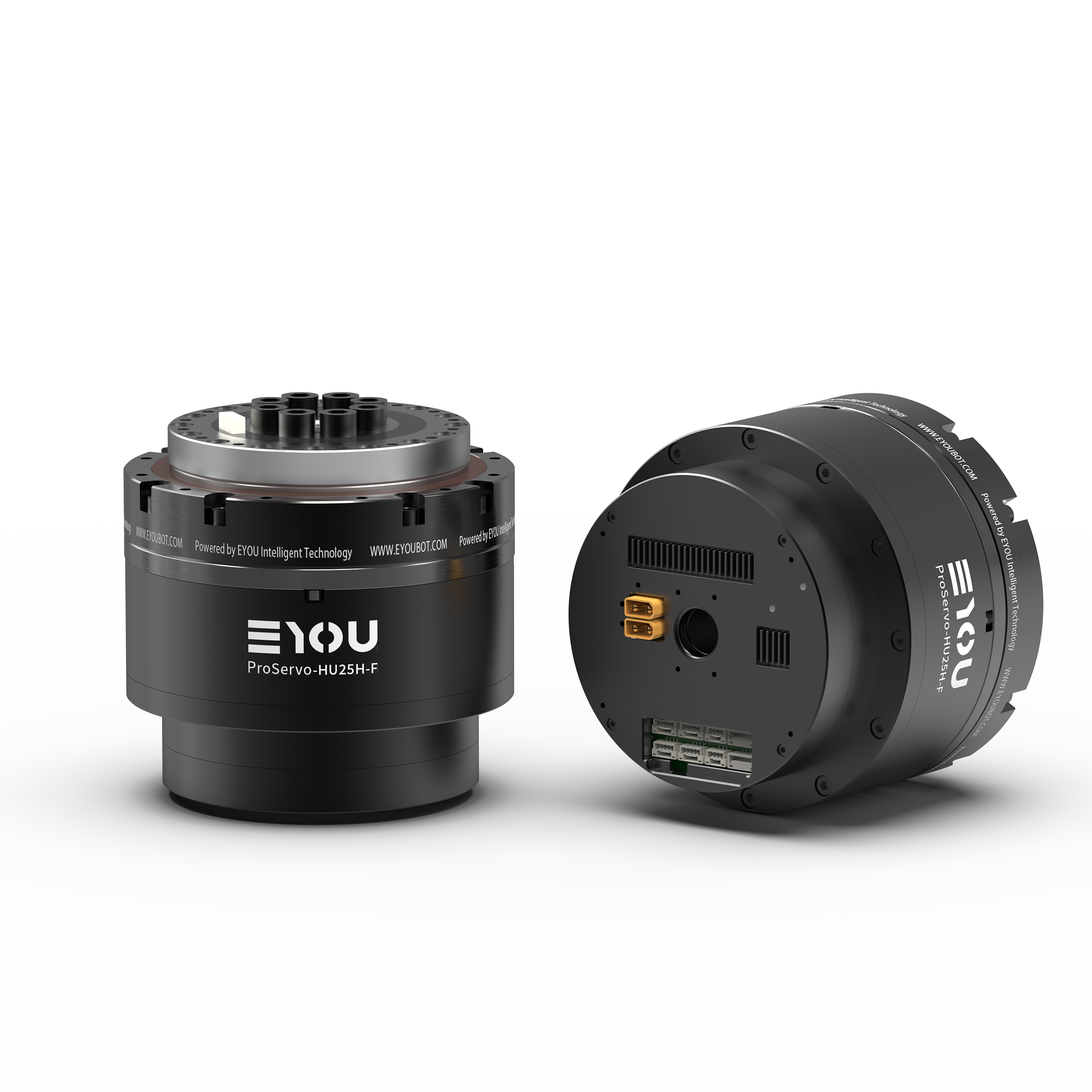
Modular Configuration
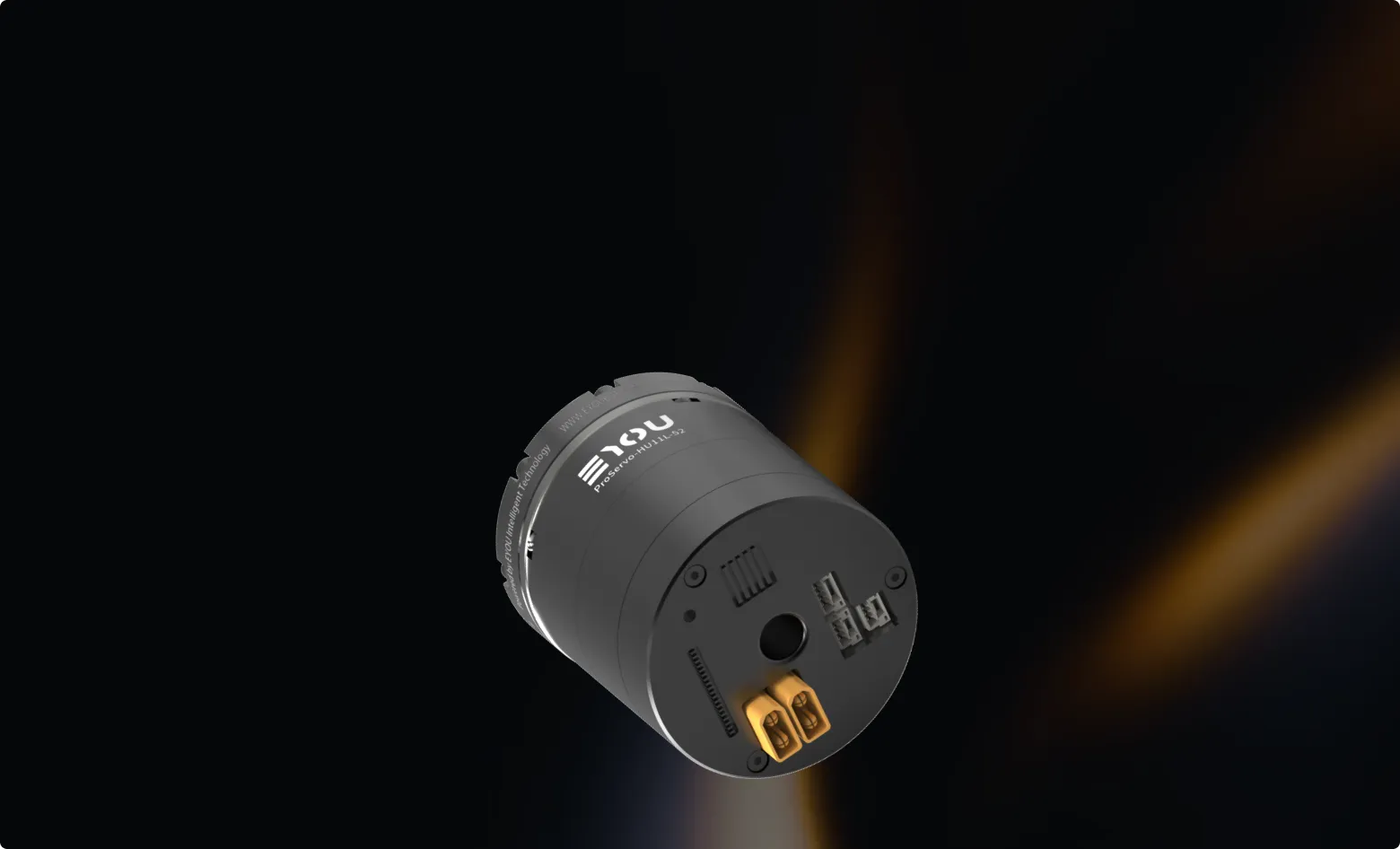
Optional brake and force-control function modules meet the differentiated development needs of various robot platforms, enabling quick product adaptation and system integration.

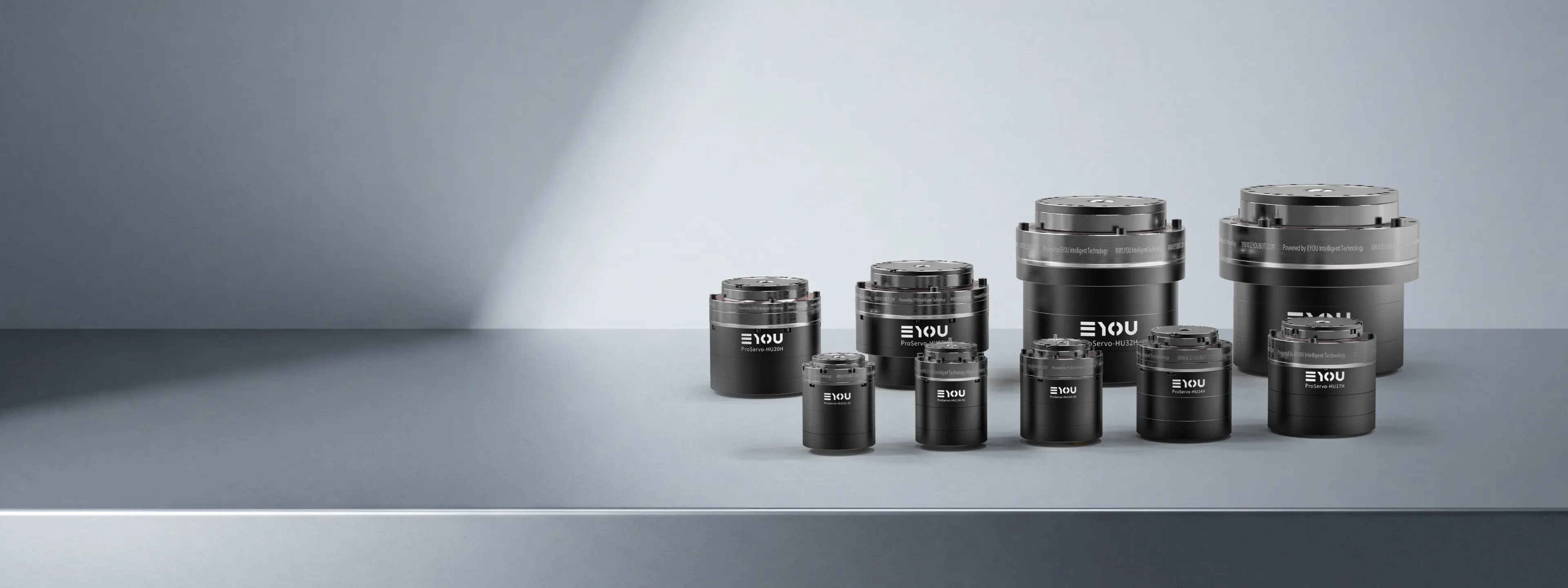
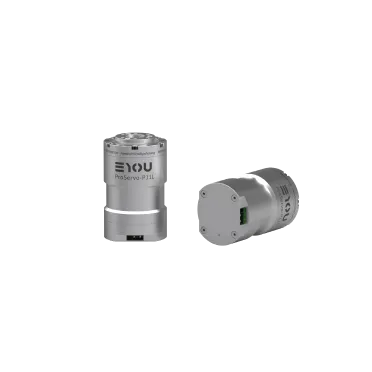
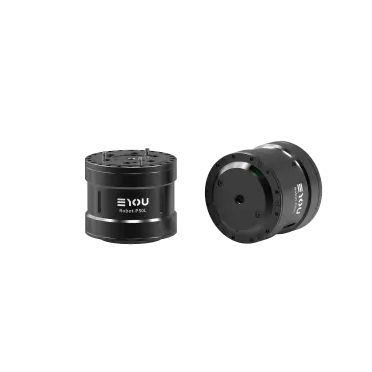
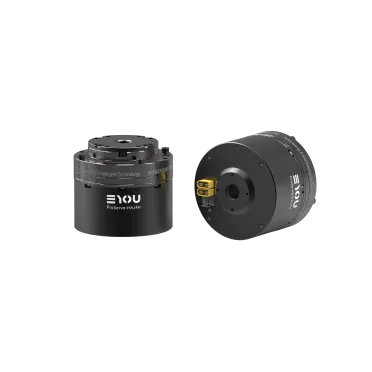
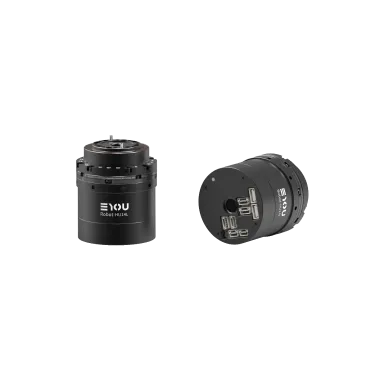
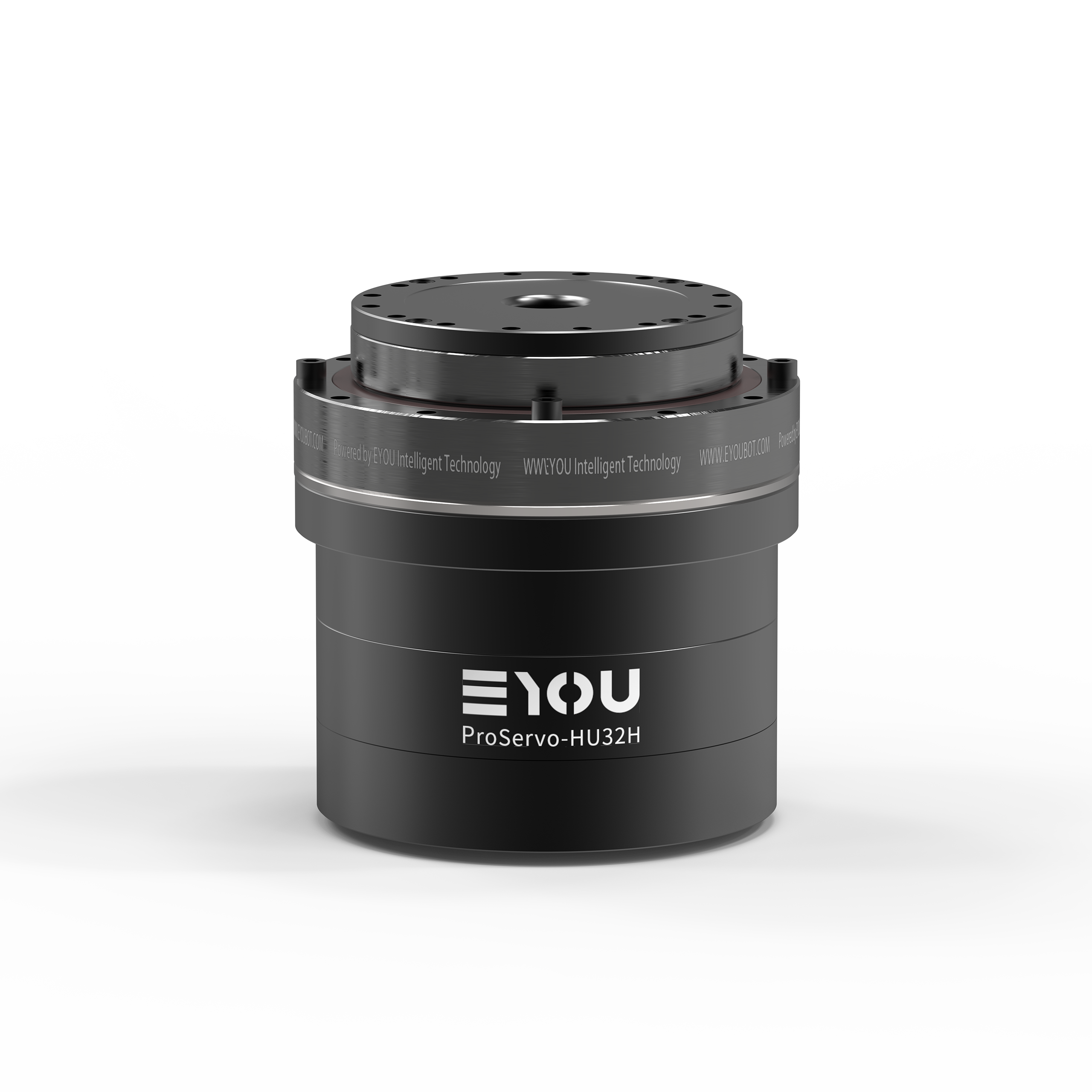
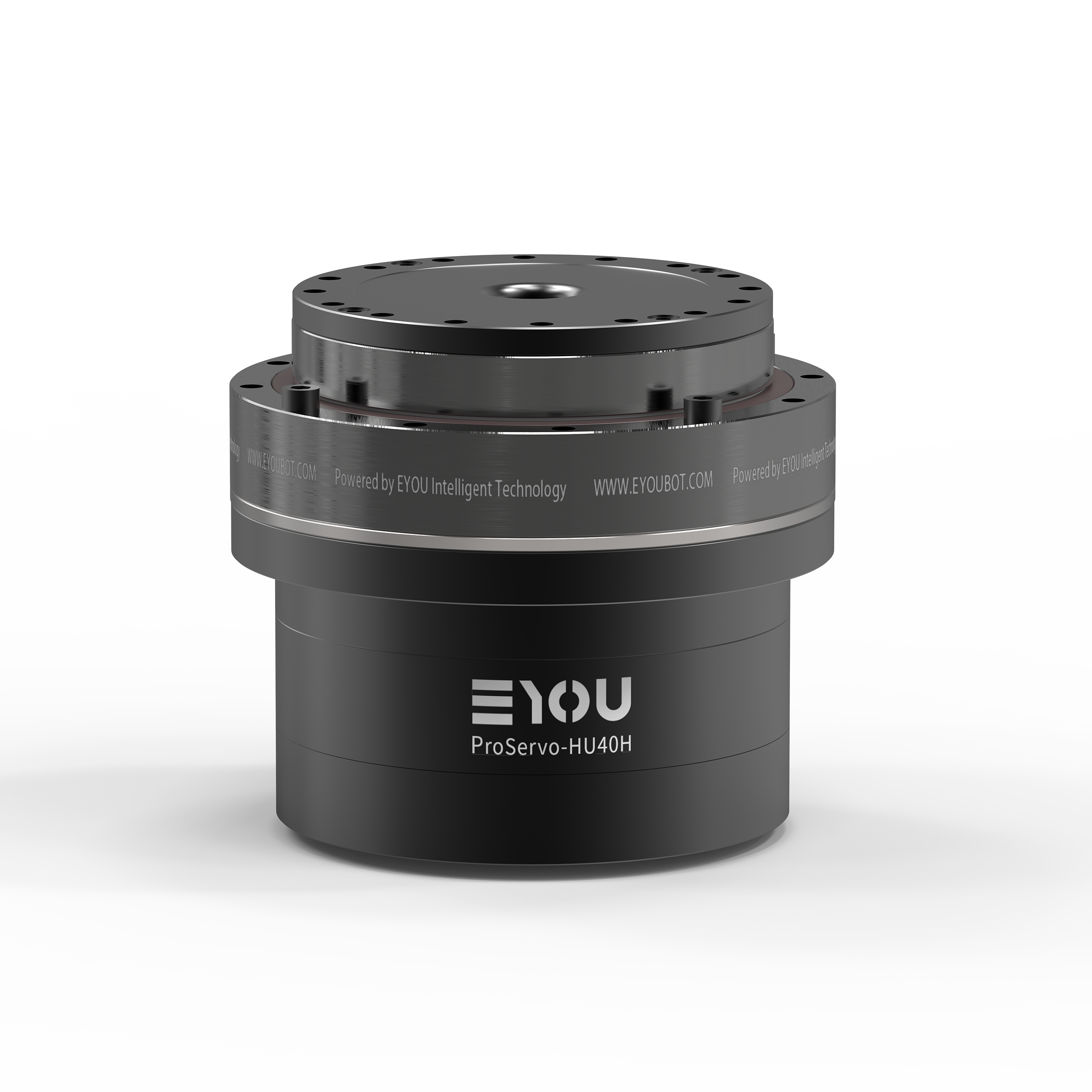
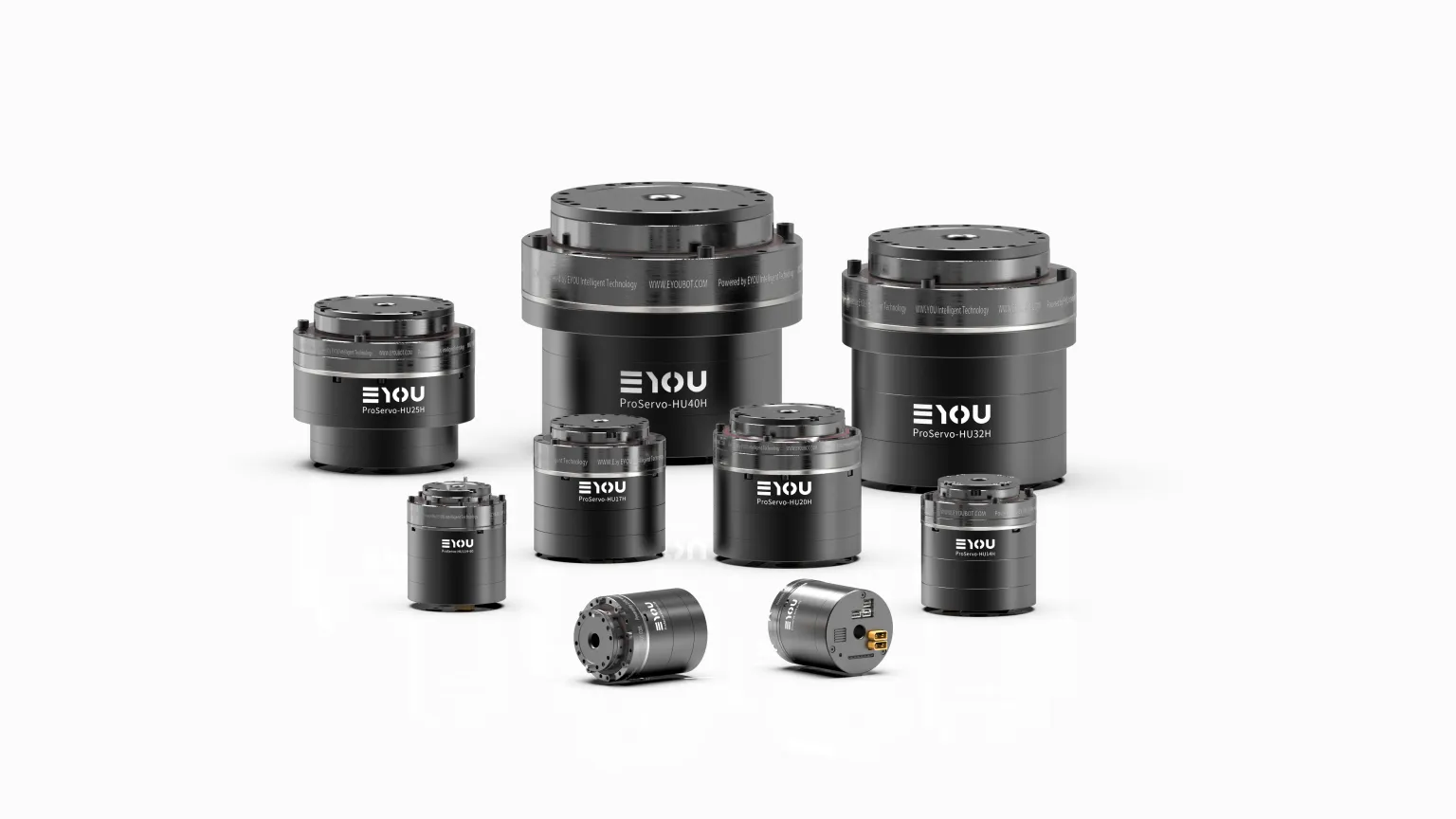
The PHU series is a new generation of high-performance harmonic joint modules built for industrial automation and heavy-duty robot applications. To meet the strict demands of industrial manufacturing for sustained output, operational reliability, and large-scale deployment, the PHU adopts an innovative split-body architecture that delivers better production consistency and easier maintenance while maintaining high precision and high power density. It is widely suited to humanoid robots, industrial automation, and collaborative robotic arms.
| Operating Voltage | 24–48V | Encoder Type | Dual Absolute |
|---|---|---|---|
| Operating Noise | <60dB | Encoder Accuracy | 19-bit |
| Operating Temperature | -20~60℃ | Power-off Brake | Optional |
| Service Life | >8,000h | Communication Protocol | EtherCAT/CANopen |
The split-body design separates the motor from the reducer, so the core components can be produced and tested on independent automated lines for easier tracking and control, improving product consistency and reliability at the source. Reducers with different ratios can be flexibly paired with the same motor to quickly derive products with different speed and torque profiles, responding flexibly to market needs.
Optional brake and force-control function modules meet the differentiated development needs of various robot platforms, enabling quick product adaptation and system integration.
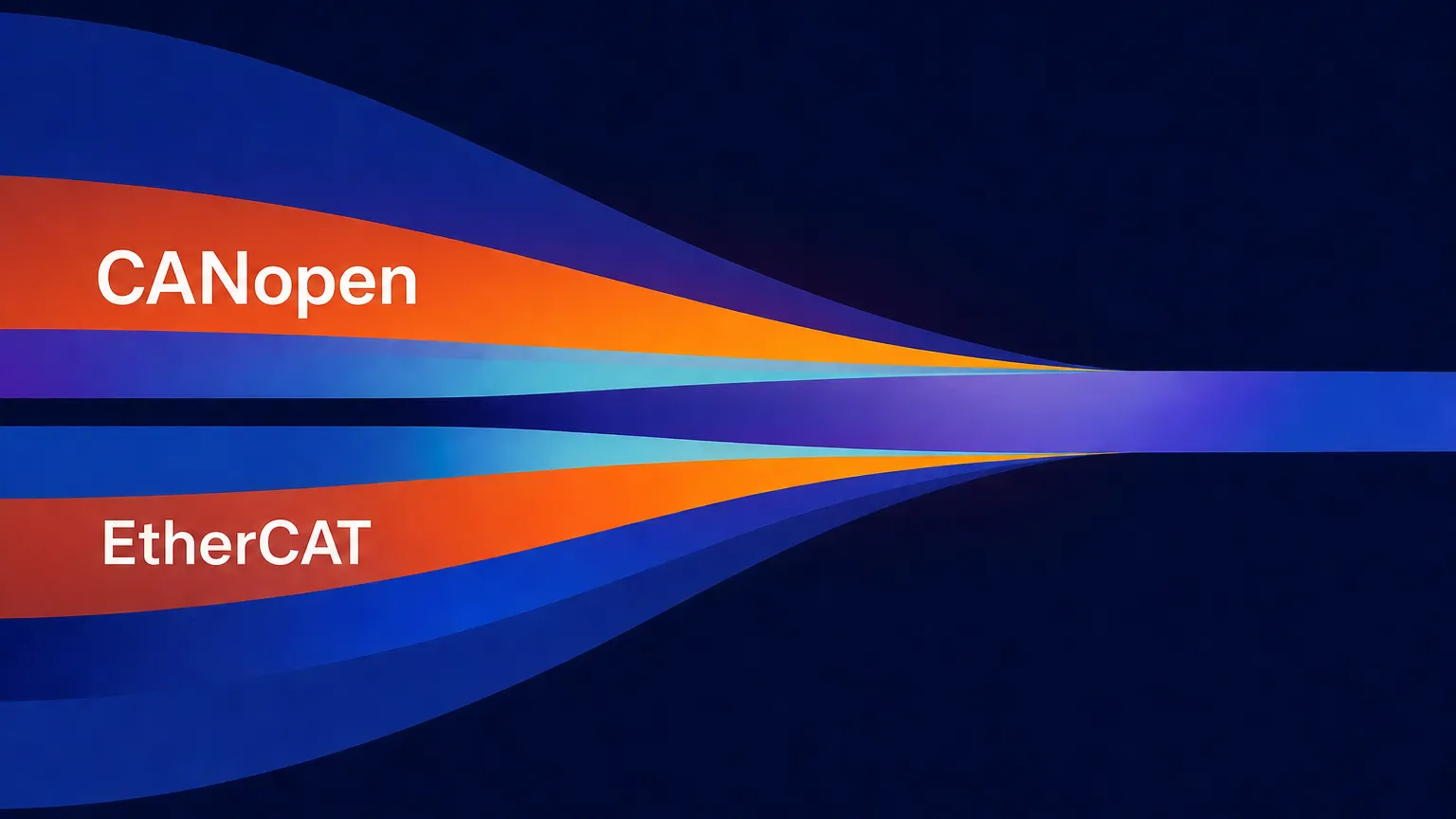
Within the same size, it supports both CANopen and EtherCAT protocols, switchable through software configuration to improve system compatibility.
It depends on the joint requirements. Harmonic drive actuators offer near-zero backlash (typically ≤15 arcsec), high positioning accuracy, and a compact single-stage design — ideal for joints that need precision, such as shoulders, elbows, and wrists. Planetary gear actuators provide higher torque density and longer service life under heavy loads, but with higher backlash (typically ≥12 arcmin) — better suited for high-load joints like hips and knees. Many humanoid robots use both: harmonic actuators for upper-body precision joints and planetary actuators for lower-body power joints. EYOU Robotics offers both the PHU Enhanced Harmonic series and the RP/PP Planetary series to cover full-body joint requirements.
The EYOU PHU Enhanced series supports EtherCAT and CANopen communication protocols. EtherCAT provides real-time, high-speed, synchronized multi-axis control — commonly required by professional motion controllers and industrial automation systems. CANopen offers flexible, cost-effective bus communication suitable for multi-joint daisy-chain setups. Protocol switching between CANopen and CAN custom is also supported by contacting the manufacturer.
The PHU Enhanced series covers 10 standard models with outer diameters from 40mm (PHU08L) to 170mm (PHU40H). Reduction ratios range from 51:1 to 161:1. Rated torque at 2000rpm spans from 1.25 N.m to 363 N.m, with peak torque up to 1,458 N.m on the largest model. All models operate at 24–48V DC. Weight ranges from 196g (PHU08L without brake) to 9,344g (PHU40H with brake). The hollow shaft inner diameter ranges from 4.4mm to 13mm for internal cable routing.
Yes. While humanoid robots are a major application, harmonic drive actuators are used wherever precise rotary motion and compact size are needed. Common applications include collaborative robot arms (cobots), gimbals and stabilized platforms, medical devices, CNC rotary tables, AGV steering mechanisms, and semiconductor equipment. The EYOU PHU series is designed for humanoid robots, collaborative arms, and industrial automation.
The EYOU PHU series has a rated service life exceeding 8,000 hours under standard operating conditions (rated torque at 2,000 rpm). The primary wear component is the flexspline — a thin-walled steel cup that undergoes repeated elastic deformation. Factors that shorten lifespan include sustained operation above rated torque, high-speed impact loads, insufficient or improper lubrication, and operating outside the rated temperature range (-20°C to 60°C). Proper load planning and regular lubrication maintenance can significantly extend actuator life.
The standard PHU series does not include a built-in torque sensor. For force control applications, EYOU offers the PHU-F series — a force-control variant that integrates a torque sensor directly into the harmonic reducer. The PHU-F provides torque accuracy of ≤0.5% FS, sensor resolution of 0.1% FS, and a sampling frequency of ≥5 kHz. Available models include PHU14H-70-F, PHU17H-80-F, PHU20H-90-F, and PHU25H-110-F. For applications that do not require a sensor, the standard PH series with KT calibration can achieve sensorless torque estimation accuracy within ±5%.
The PHU series uses dual 19-bit absolute encoders — one on the motor side and one on the output side. This dual-encoder configuration provides two independent position references: the motor-side encoder tracks rotor position for FOC commutation, while the output-side encoder measures the actual joint angle after the harmonic reducer. This setup enables full closed-loop control, compensates for reducer compliance and backlash, and supports power-off position memory within single-turn range (±180°) — meaning the actuator knows its position immediately after power-on without a homing procedure.
A harmonic drive — technically called a strain wave gear — achieves high reduction ratios through the controlled elastic deformation of a thin-walled metal component. The mechanism consists of three parts:
The wave generator pushes the flexspline into an elliptical shape, forcing its teeth to mesh with the circular spline at two opposing points. Because the flexspline has two fewer teeth than the circular spline, each full rotation of the wave generator advances the flexspline by just two tooth positions relative to the circular spline. A 200-tooth flexspline against a 202-tooth circular spline produces a 100:1 reduction in a single stage — something that would require three or four stages in a planetary gearbox.
The flexspline is the most stressed component. Every input revolution forces it through a full elliptical deformation cycle, creating alternating bending stress across its thin wall. Over millions of cycles, this leads to fatigue — the primary failure mode in harmonic drives.
Research using finite element analysis (FEA) and S-N curve testing has shown that fatigue life is most sensitive to three structural parameters: cylinder wall thickness, cup length, and the fillet radius at the transition between the cup body and the toothed rim. Thinner walls allow more flex but concentrate stress; thicker walls reduce deformation range but may limit the gear ratio achievable in a given envelope.
In practice, actuator manufacturers rate service life based on the wave generator bearing's L10 life at rated torque and speed — not the flexspline itself, because a properly designed steel flexspline under rated load can achieve functionally infinite fatigue life. Overloading the actuator beyond rated torque, however, pushes the flexspline into the finite-life regime and accelerates crack initiation, typically at the tooth root or the rear cross-section of the cup.
Four areas inside a harmonic drive require lubrication:
Most integrated robot actuators — including the EYOU PHU series — are factory-greased and sealed, so end users do not perform routine re-lubrication. However, operating temperature directly affects grease life. Sustained operation near the upper end of the rated range (60°C for PHU series) degrades lubricant faster, which increases internal friction and eventually accelerates wear at the tooth mesh. For low-temperature environments down to -30°C, specifying low-temperature grease at the time of ordering is necessary to maintain proper viscosity.
Sizing a harmonic drive robot actuator is not just about matching peak torque to a catalog number. The following workflow reflects how experienced engineers approach selection:
Determine the torque demand at the joint across its full motion cycle — not just peak torque, but the RMS (root mean square) torque over a representative duty cycle. A joint that briefly spikes to 50 N.m during acceleration but averages 15 N.m has very different thermal and fatigue implications than one running at 40 N.m continuously.
Catalog peak torque numbers look impressive but represent momentary allowable limits. The actuator must be sized so that the RMS torque of the application falls at or below the rated (continuous) torque. Running an actuator consistently at peak torque will overheat the motor windings and accelerate flexspline fatigue.
Harmonic actuators are optimized for low-to-moderate output speeds — typically under 30 rpm at the joint. Higher speeds increase heat generation at the wave generator bearing and tooth mesh. If your application requires fast joint rotation (e.g., above 50 rpm output), verify that the actuator's thermal limits are not exceeded, or consider a lower reduction ratio.
Check outer diameter, axial length, hollow bore diameter (for cable routing), and bolt pattern. In humanoid robots, envelope constraints are often the binding factor — the actuator must physically fit inside the limb structure. Hollow shaft diameter matters when routing EtherCAT cables, encoder wires, or pneumatic lines through the joint.
Ensure the actuator's communication protocol matches your motion controller. EtherCAT is standard for real-time synchronized multi-axis control in professional humanoid and cobot platforms. CANopen is common in cost-sensitive or simpler multi-joint chains. Operating voltage (24–48V for PHU series) must align with the system power bus.
| Reduction Ratio | Output Torque | Output Speed | Backdrivability | Typical Application |
|---|---|---|---|---|
| 50:1 | Lower | Higher | Easier to backdrive | Wrist, gripper, lightweight arm joints |
| 80:1 – 100:1 | Medium | Medium | Moderate | Shoulder, elbow, general-purpose joints |
| 120:1 – 160:1 | Higher | Lower | Very difficult to backdrive | Hip, knee, heavy-load joints, fixed-position axes |
Higher ratios multiply torque and improve positioning resolution but make the joint harder to backdrive — a consideration for collaborative robots that rely on backdrivability for safe human contact. Lower ratios preserve some backdrivability at the cost of lower torque multiplication.
Because harmonic drive robot actuators pack motor, driver, gearing, and brake into a single sealed housing, heat dissipation is a real engineering constraint. The motor generates heat through copper losses (I²R in the windings) and iron losses (eddy currents in the stator). The harmonic gear generates heat through friction at the tooth mesh and wave generator bearing. The driver board adds its own thermal load from power switching.
All of this heat must exit through the actuator housing into the surrounding structure. In a humanoid robot limb enclosed in a plastic shell, thermal paths are limited. Continuous operation at high torque in a poorly ventilated enclosure can push internal temperatures above safe limits, triggering thermal derating or protection shutdown. Practical countermeasures include duty-cycle planning (avoiding sustained peak loads), using the robot's metal frame as a heat sink, and in extreme cases, adding thermal pads between the actuator housing and the structural chassis.