LG Prepares AXIUM Robot Actuator Mass Production, Eyes First External Orders
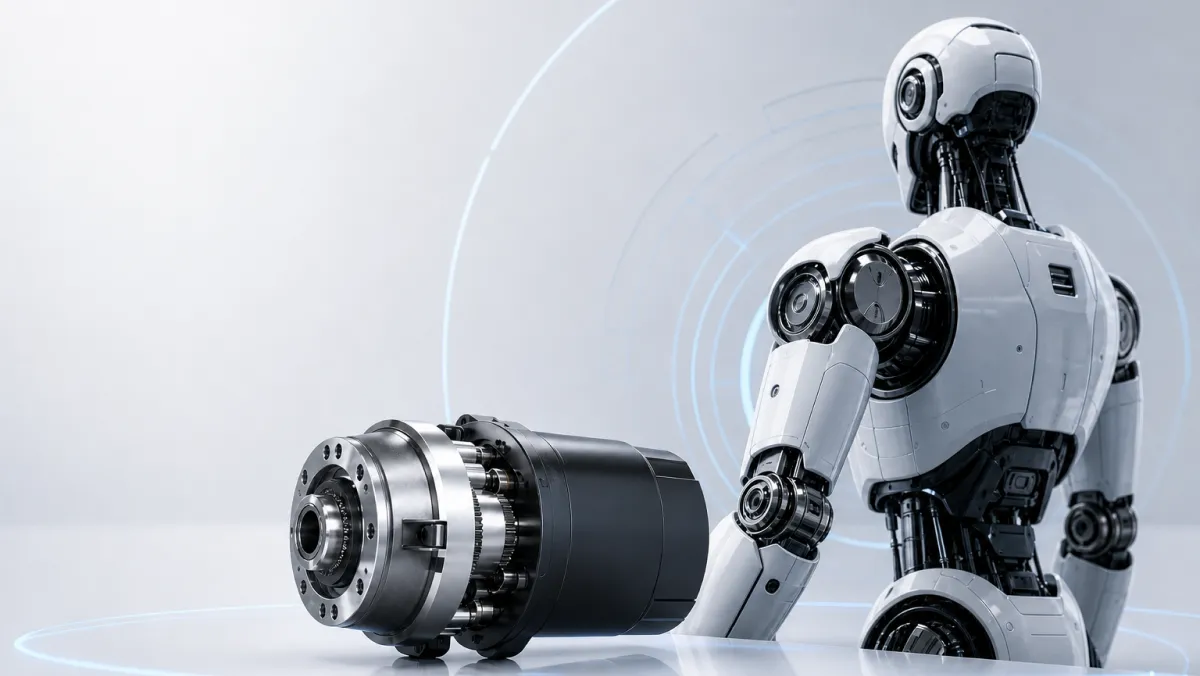
LG Electronics is preparing to build a fully automated production line for its LG AXIUM robot actuators at its Changwon plant in South Korea by the end of 2026, Korean media reported on September 6. The company is positioning AXIUM as a standalone B2B components business, not just an internal project for its own robots, and expects the robot actuator business to grow to a scale comparable with its air-conditioning compressor line within one to two years. For robot OEMs, the practical signal is clear: another high-volume manufacturer is entering the joint actuator market, and competition on cost, consistency, and delivery will intensify.
What Happened
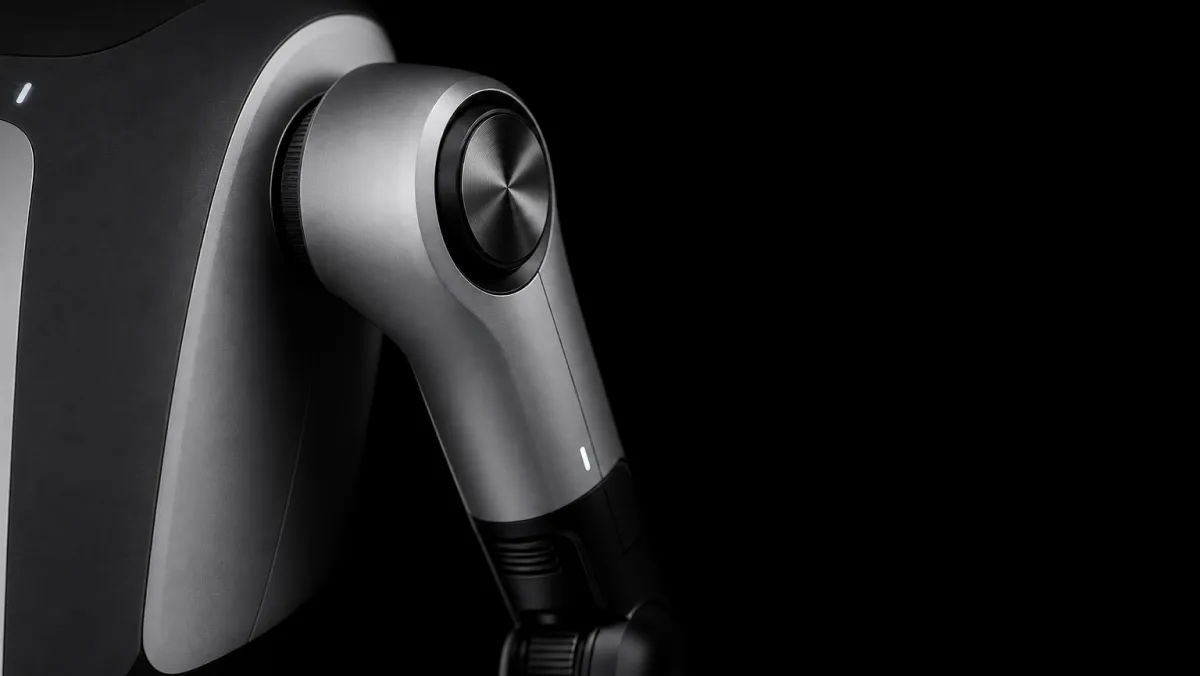
LG first unveiled the AXIUM actuator brand at CES earlier this year, alongside its home robot CLOiD. The lineup currently covers nine models in different sizes, designed for service robots, and initial production is reportedly already underway at the Changwon facilities in South Gyeongsang Province. The next milestone is a fully automated line and a complete mass-production system for the AXIUM series by the end of 2026. According to Seoul Economic Daily, LG plans to hold technology meetings with potential customers in October to pursue its first external actuator orders.
Why LG Thinks It Can Compete
AXIUM builds on motor, drive-control, and component-design capabilities accumulated in LG's home appliance operations. "An actuator consists primarily of a motor that generates force, a reducer that transmits it and a driver that controls it," an LG executive said, adding that LG has not yet developed its own reducer technology and is weighing in-house development against sourcing from outside suppliers.
The strategic logic is straightforward: industry estimates put actuators at 60 to 70 percent of a robot's total cost, making them the most valuable component group in the machine. LG expects demand for physical AI, including humanoid robots, to surge from 2030, and plans to deploy its own robots in both wheeled and bipedal forms at its Tennessee plant and Changwon smart factory before expanding toward home use.
What It Means for Robot OEMs
- Another volume manufacturer enters the supply chain. A supplier with appliance-scale manufacturing DNA is moving into robot actuators, which gives OEMs more second-source options and more leverage on price and lead time.
- The reducer gap is the opening. LG is strongest on motors and drive control but has no reducer technology of its own yet. Suppliers with fully integrated motor-reducer-driver designs have a window to win designs before that gap closes.
- Mass-production capability is becoming the selection criterion. Robotics firms may start with prototypes, but bringing a product to market requires consistent, large-scale component supply. An automated line, not a lab sample, is what wins the order.
How This Relates to Us
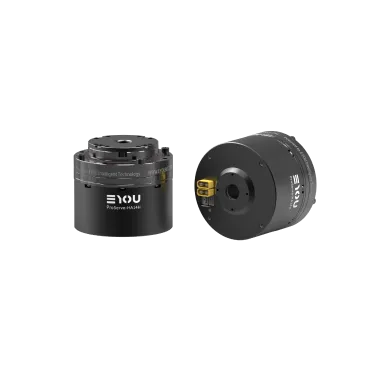
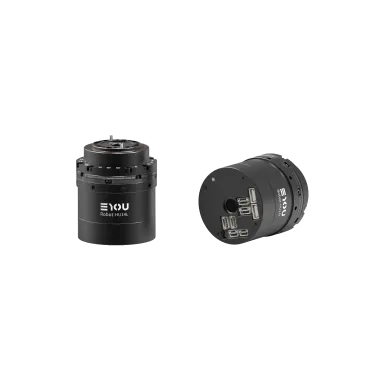
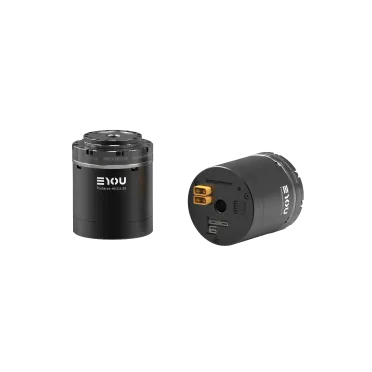
This move confirms what we see every day: competition in integrated joint actuator modules ultimately comes down to mass-production capability and consistency. EYOU Robot delivered 95,000 joint modules in 2025 and runs China's first automated joint production line, with harmonic and planetary series covering every joint position on a humanoid. If you want to understand what sits inside an actuator, from the motor and reducer to the driver, start with our guide to robot actuator components, or send your joint requirements to our application engineers for a selection proposal.
Sources
- The Korea Herald: LG Electronics targets actuators, B2B appliances as next growth engines (September 6, 2026)
- The Investor: LG Electronics targets actuators, B2B appliances as next growth engines (September 6, 2026)
- Global Sources: LG's humanoid-robot actuator push aims to disrupt supply chain dynamics in 2026 (September 8, 2026)