What Is a Robot Actuator?
If you are designing a robot, there is one component you cannot avoid — the actuator. It decides whether each joint moves, how accurately it moves, and how much force it can produce. This article explains the robot actuator clearly: what it is, what it contains, what types exist, and how to choose the right one for your robot.
What Is a Robot Actuator?
A robot actuator is a device that converts a control signal into actual mechanical motion. When the controller sends a "rotate 30 degrees" command, the actuator makes the joint physically rotate to 30 degrees. It is the "muscle" of the robot — without it, a robot is just a set of structural parts that cannot move.
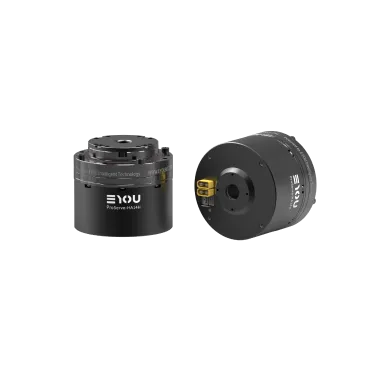
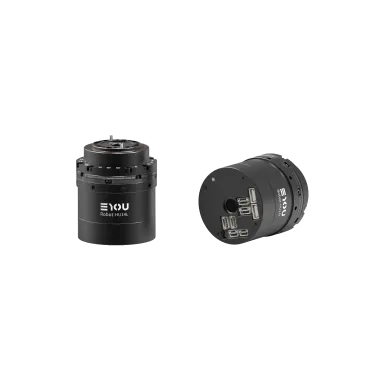
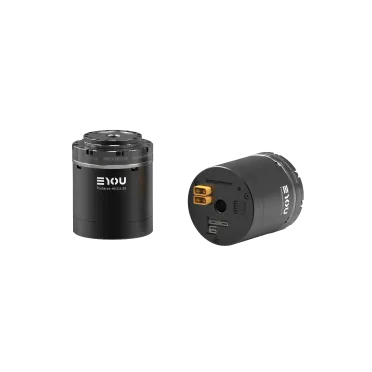
In modern robots, especially humanoid robots and collaborative arms, the actuator is usually not a single part but a highly integrated module: motor, reducer, encoder, and driver packaged in one housing. You bolt it on, connect power and communication, and it works. This integrated form is the integrated joint actuator, also called a joint module.
Actuator vs Motor vs Servo Motor: What's the Difference?
These three terms get mixed up often, but they are not the same thing. Sorting out their hierarchy is the first step to understanding actuators.
- Motor: The core power source that rotates when powered. It only "spins" — on its own it cannot control position precisely or output high torque.
- Servo Motor: A motor with an encoder and driver added to form a closed loop, so it can precisely control position, speed, and torque. It stops exactly where you tell it to.
- Actuator: A servo motor with a reducer added, integrated and packaged into a complete motion device. It controls precisely and outputs high torque — bolt it on and it is a complete joint drive unit.
In one sentence: the motor is a part, the servo motor is a motor system that controls precisely, and the actuator is the complete device with a reducer. What robot joints use is the actuator.
What's Inside a Joint Actuator?
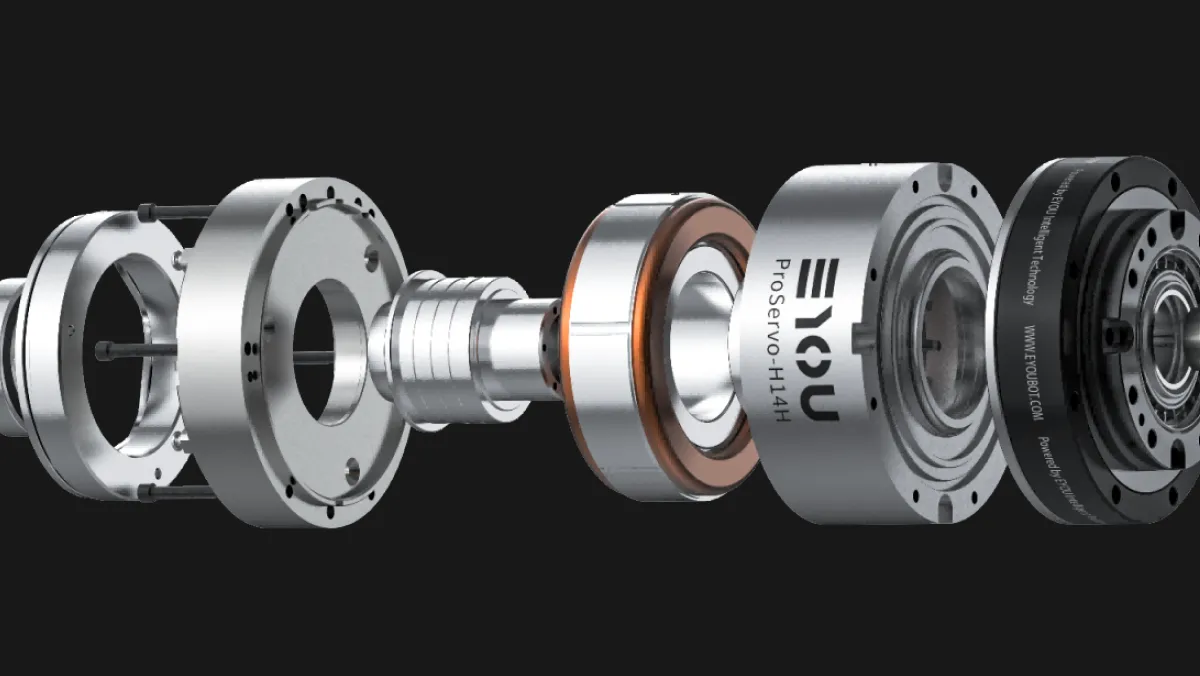
Take the integrated joint actuator common in humanoid robots. From power input to motion output, the internal stack looks like this:
- Frameless Torque Motor: Provides the raw rotary power. High torque density, compact, integrated directly into the joint.
- Reducer: Converts the motor's high speed and low torque into low speed and high torque. This is the soul of the actuator — change the reducer type and the actuator's personality changes completely.
- Encoder: Provides real-time position feedback. High-end actuators use dual encoders on both the motor side and the output side for true full closed-loop control.
- Driver: Receives commands, drives the motor, and runs the control algorithm. Integrated inside the actuator, removing the need for an external control cabinet.
- Brake (optional): Locks the joint position when power is off, for safety and gravity-compensation scenarios.
All of these are packaged in one housing, with only power and communication lines on the outside. This high integration is the biggest difference between a modern joint actuator and the traditional "motor + external reducer + external driver" split approach — it greatly simplifies the mechanical structure and electrical layout of the whole machine.
What Types of Robot Actuators Are There?
Actuators fall into three families by power source, but what really decides joint performance is the type of reducer inside an electric actuator.
By Power Source
- Electric actuators: Driven by a motor. High precision, flexible control, easy to integrate — the dominant choice for robot joints. Every joint actuator in this article is electric.
- Hydraulic actuators: Driven by high-pressure oil. Very high force, but they need pumps and piping, are bulky and hard to maintain — mostly seen in heavy-duty engineering robots.
- Pneumatic actuators: Driven by compressed air. Fast response, simple structure, but low precision and hard to control position accurately — used for simple gripping and packaging.
By Reducer Type (the key difference among electric actuators)
This is what engineers actually care about during selection. Among electric joint actuators, a different reducer means very different performance.
| Type | Backlash | Torque Density | Impact Resistance | Typical Joints |
|---|---|---|---|---|
| Harmonic (Strain Wave) | Very low (≤15 arcsec) | High | Moderate | Shoulder, elbow, wrist (precision) |
| Planetary | Higher (≥12 arcmin) | Very high | Excellent | Hip, knee, ankle (power) |
| Cycloidal (RV) | Low | Very high | Excellent | Large industrial arm base |
| Quasi-Direct Drive (QDD) | Low | Low | Good | Quadruped, agile legged robots |
| Direct Drive | Zero | Very low | — | Haptics, precision research |
For humanoid robots and collaborative arms, harmonic and planetary are the two main approaches. Harmonic offers very high precision and near-zero backlash, suited to upper-limb joints that need fine control. Planetary offers high torque density and strong impact resistance, suited to lower-limb joints that absorb ground impact. A complete humanoid robot typically uses harmonic actuators for the upper limbs and planetary actuators for the lower limbs, combining both to cover the whole body.
Which Specs to Check When Choosing an Actuator
Selection is not about which has the highest torque, but which best matches your joint's needs. Key specs:
- Rated and peak torque: Rated torque is what it can output continuously; peak is the short-term limit. Size it so your application's RMS torque stays within the rated torque, rather than chasing the peak.
- Backlash: The lost motion when the joint reverses. Choose harmonic for high precision (arcsec level), planetary for impact tolerance (arcmin level).
- Encoder accuracy: Determines positioning resolution. 16-bit suits general use, 19-bit suits high-precision use.
- Reduction ratio: Affects torque multiplication and output speed. A high ratio means more torque but lower speed and poorer backdrivability.
- Protocol: EtherCAT suits multi-axis real-time synchronization; CAN FD suits multi-joint daisy-chains. Match it to your controller.
- Size and weight: In humanoid robots, space and weight are highly sensitive — the more distal the joint, the lighter it must be.
Where Robot Actuators Are Used
Any device that needs precise rotary control uses joint actuators:
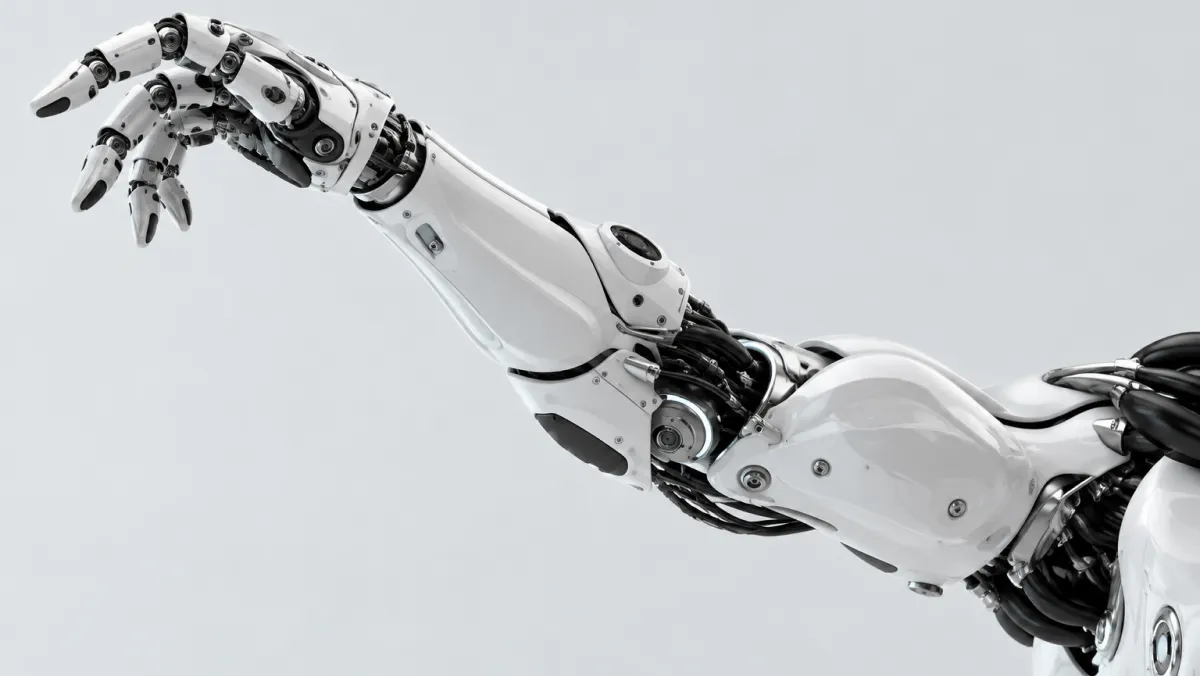
- Humanoid robots: 20–40 joints across the body — from neck, shoulders, elbows, and wrists to hips, knees, and ankles, each one an actuator.
- Collaborative arms: One actuator per axis, where precision and safety are the core needs.
- Quadruped robots: Leg joints need high dynamic response and impact resistance.
- Exoskeletons: Need light weight and force-control interaction.
- Industrial automation: Precise rotary drive for custom equipment and special machines.
Choosing the Right Actuator Starts with Knowing Your Needs
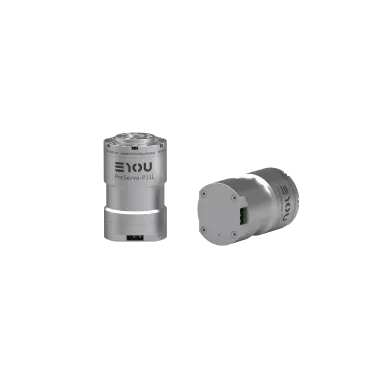
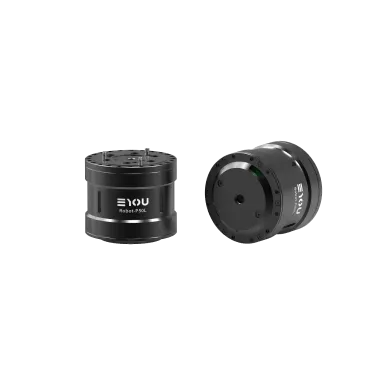
The first step in choosing an actuator is to list each joint's torque, speed, precision, and size requirements, then match the right type. Choose harmonic for precision, planetary for torque and impact resistance, compact types for tight spaces. EYOU Robot provides a full range of harmonic and planetary integrated joint actuators covering every joint of a humanoid robot — from enhanced harmonic, humanoid harmonic, and lightweight harmonic to humanoid planetary and compact planetary — selectable by joint position.
FAQ
No. A motor is one core component inside an actuator. The motor only produces rotary power, while the actuator integrates the motor, reducer, encoder, and driver into one complete device that receives control signals, controls position precisely, and outputs high torque. Think of it this way: the motor is a part, and the actuator is the complete unit that drives a joint once bolted on.
Electric actuators dominate robot joints. Among electric actuators, humanoid robots and collaborative arms most often use harmonic and planetary types: harmonic actuators for upper-limb precision joints (shoulder, elbow, wrist) and planetary actuators for lower-limb power joints (hip, knee, ankle). This "harmonic on top, planetary on the bottom" pairing is the current industry-standard approach.
The difference is the reducer. A servo motor is a motor plus an encoder plus a driver — it controls precisely but outputs the motor's own speed and torque. An actuator adds a reducer stage on top of the servo motor, converting high speed and low torque into low speed and high torque, then integrates everything into a complete module. Robot joints need high torque and slow, precise motion, so they use actuators, not bare servo motors.
It depends on the design's degrees of freedom. A full-size humanoid robot usually needs 20 to 40+ joint actuators: 2–3 for the neck, 2–3 per shoulder, 1 per elbow, 1 per wrist, 1–2 for the waist, 2 per hip, 1 per knee, and 1–2 per ankle. Entertainment robots or those with dexterous hands need even more.
Check rated torque first, not peak torque. Calculate the RMS (root mean square) torque of your application over one motion cycle and make sure it stays within the actuator's rated torque — sustained overload causes motor overheating and reducer fatigue. After rated torque matches, confirm backlash (precision need), speed, size and weight, and protocol in turn.