Schaeffler Signs Dual Actuator Partnerships for Humanoid Robots with Hexagon and VinDynamics
On April 22, 2026, German motion technology company Schaeffler announced two separate partnerships aimed at scaling humanoid robot production — one with Swiss-based Hexagon Robotics, the other with Vietnamese manufacturer VinDynamics (part of the Vingroup conglomerate). Both deals center on one thing: joint actuators.
What Happened
Schaeffler will supply high-precision rotary actuators — built on its Hermes Award-winning platform — to both Hexagon Robotics and VinDynamics. The agreements were signed on the same day at Hannover Messe 2026 and in Hanoi, respectively.
With Hexagon, the deal expands an existing pilot that ran through 2025. Schaeffler plans to deploy at least 1,000 Hexagon AEON humanoids across its own global factory network by 2032. Schaeffler acts as both a Tier 1 actuator supplier and an end-user of the robots — a setup rarely seen in robotics.
The VinDynamics agreement marks Schaeffler's first partnership with a humanoid robot maker in the Asia-Pacific region. It focuses on co-developing planetary gearboxes and collecting operational data to improve actuator design over time.
Why Joint Actuators Matter
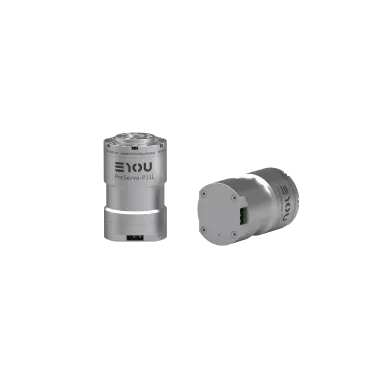
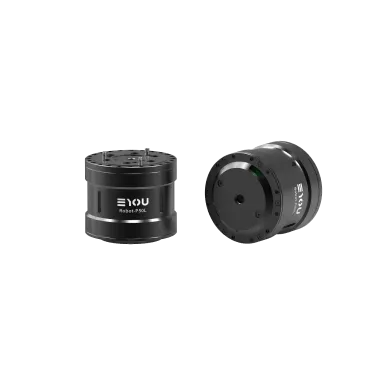
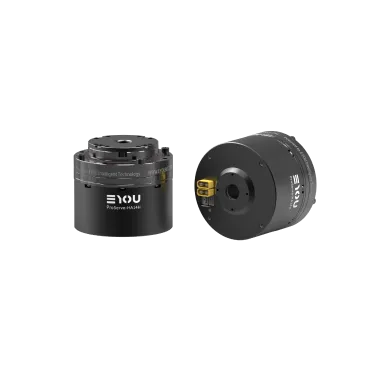
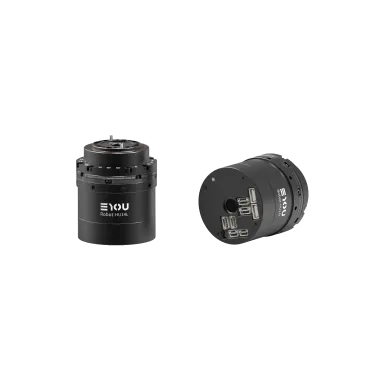
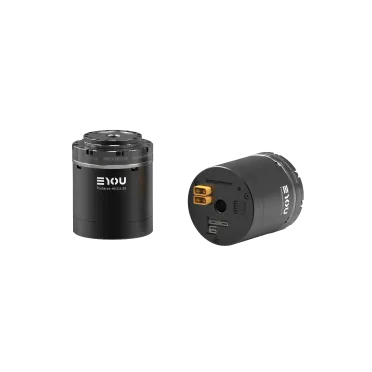
A full-sized humanoid robot needs 28 or more rotary and linear actuators. Each joint — shoulder, elbow, hip, knee — requires a compact module that combines motor, gearbox, encoder, and control electronics into a single unit. This type of component is often called an integrated joint actuator module. Actuators typically account for a large share of a humanoid's total bill of materials cost, making them one of the most commercially significant components in the supply chain.
Schaeffler's Actuator Platform
Schaeffler's actuator platform uses two gear technologies depending on the application:
| Gear Type | Characteristics | Typical Joint Application |
|---|---|---|
| Strain Wave (Harmonic) | Zero backlash, high precision, compact | Shoulder, elbow, wrist |
| Planetary | High torque density, durable | Hip, knee, heavy-load joints |
Each actuator integrates a brushless DC motor, power electronics, and precision encoders. This modular design is similar in concept to what other manufacturers in the robot joint module space provide — a plug-and-play unit that reduces assembly complexity for robot OEMs.
The Bigger Picture
These partnerships follow a pattern. At CES 2026 in January, LG launched its actuator brand AXIUM. Hyundai Mobis confirmed its actuators power the latest Boston Dynamics Atlas. Samsung said it was evaluating market entry. Tesla started mass-producing Optimus Gen 3 hands with 50 actuators and 22 degrees of freedom.
The message across the industry is clear: whoever controls the actuator supply chain has a major advantage in humanoid robotics. The component is not a commodity. Each robot model has different torque, speed, and size requirements at every joint, which means actuator suppliers need the engineering capability to customize across a wide range of specifications.
What to Watch
- Schaeffler and Hexagon plan to start deploying AEON robots for automated part inspection at additional factory sites by late 2026.
- VinDynamics will run prototype testing and share operational data back to Schaeffler for actuator optimization.
- Schaeffler is also building partnerships with humanoid robot makers in Europe, China, and the US, positioning itself as a global Tier 1 actuator supplier.